Parking Restrictions at Bow Creek: Moving Day Checklist
Posted on 18/06/2026
If you are planning a move around Bow Creek, parking can become the one detail that quietly throws the whole day off. Lorries arrive, boxes are stacked, everybody is ready to get going... and then there is nowhere sensible to stop. That is why Parking Restrictions at Bow Creek: Moving Day Checklist matters so much. It is not just a local admin task. It is the difference between a clean, efficient move and a morning full of circling, stress, and awkward apologies to neighbours.
In this guide, we will walk through how parking restrictions typically affect moving day, what to check before the van arrives, and how to plan around tight streets, loading access, and permit-style limitations. We will also cover common mistakes, a practical checklist, and a few real-world pointers that can save a lot of hassle. Truth be told, moving day is busy enough without adding parking drama into the mix.
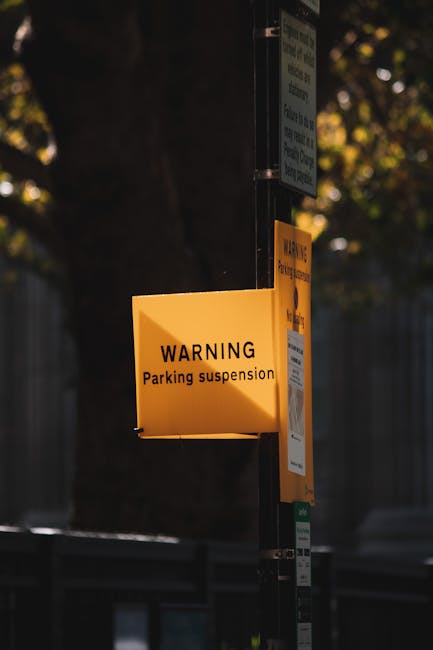
Why Parking Restrictions at Bow Creek: Moving Day Checklist Matters
Parking restrictions matter because moving is a time-sensitive job. A removal van needs safe, legal, and close access to the property. If the vehicle cannot stop nearby, the team spends more time carrying items, the risk of damage goes up, and the whole schedule can slip. In a place like Bow Creek, where roads can be busy, spaces can be limited, and access may be shared with residents or businesses, a small parking issue can have a surprisingly big effect.
There is also the neighbour factor. Nobody wants a van blocking a driveway, sitting across a dropped kerb, or creating a noise issue by idling and repositioning. A bit of planning avoids that awkward moment when someone peers out of a window and gives you the look. You know the one.
For renters, parking planning can also protect your deposit and reduce avoidable complaints. If a move causes disruption because of poor access or unsafe stopping, that may become part of a wider dispute. For homeowners and landlords, it helps keep the move calm and professional. If you are preparing a full property move, pairing parking planning with proper packing preparation and a tidy handover routine from a solid move-out clean makes the day feel much more controlled.
Expert summary: A good moving-day parking plan does three things well: it protects access, it protects time, and it protects relationships with neighbours and building managers. That alone is worth the preparation.
How Parking Restrictions at Bow Creek: Moving Day Checklist Works
At a practical level, this checklist is about matching three things: the vehicle, the property, and the street conditions on the day. That sounds simple, but the details matter. You need to know where the van can stop, how long it can stay there, whether any temporary restrictions apply, and whether the loading area is actually usable for a large vehicle.
The process usually starts with a street-level review. Is the road narrow? Are there double yellow lines? Is there permit-only parking? Is there a marked loading bay or a place where the van can wait briefly while items are taken in? You also want to think about the time of day. Early morning may be quieter. Midday may be busy with traffic or deliveries. Even five minutes can matter if the lift is awkward or the stairs are tight.
Many people also overlook property-specific access. A flat may have a service road, a gated entrance, or a loading area that works on paper but not in practice. For example, a van might technically be allowed nearby, but there may be no room for the tail lift to operate safely. In those cases, it helps to use a service such as man with a van in Leamouth or broader removal services that are used to working around local access quirks.
A good checklist also accounts for contingency. What happens if the preferred space is already taken? Do you have a backup loading point? Can somebody hold the space while the van unloads? Is there a safe place to wait while you resolve access? Planning for the annoying little surprises is where the real value sits.
What the process usually includes
- Checking whether parking is permit-only, timed, or restricted at certain hours
- Confirming if there is suitable loading access near the entrance
- Identifying dropped kerbs, private bays, or building rules that may affect stopping
- Planning for larger vehicles, not just cars
- Preparing a backup plan if the closest space is unavailable
Key Benefits and Practical Advantages
Getting the parking side right creates more benefits than people expect. It is not only about avoiding a ticket or a delay. It changes the whole feel of the move.
First, it saves time. Shorter carry distances mean quicker loading and unloading. That sounds obvious, but on moving day the difference between 10 metres and 40 metres can be a lot of extra effort, especially with awkward items like wardrobes, mattresses, or boxed kitchen gear.
Second, it reduces the risk of damage. Every extra step between the van and the front door adds another chance for scuffs, bumps, or dropped items. If you are moving bulky furniture, you may want to read how to protect a sofa during storage and transport or the advice in furniture removals support when you are dealing with heavy, fragile pieces.
Third, it keeps the day calmer. A move already has enough moving parts, if you will pardon the expression. Once parking is sorted, the rest of the job becomes much easier to manage.
Fourth, it helps you coordinate helpers. Friends, family, or removal crews can work in a smoother rhythm when they know exactly where the vehicle is going to be and how long the access route is.
Fifth, it supports a more professional move. If you are using a team, being organised on parking and access helps them work efficiently. That can be especially useful if you are comparing service options through services overview or trying to understand what is included in removals in Leamouth.
Who This Is For and When It Makes Sense
This checklist is for almost anyone moving in or around Bow Creek, but it is especially useful if you are dealing with limited street access, shared buildings, or a tight schedule. The more complicated the move, the more valuable parking planning becomes.
It makes sense if you are:
- Moving from a flat or apartment with limited external space
- Using a van rather than a small car for the move
- Moving during working hours when the street is likely to be busier
- Managing a same-day handover, which often leaves less room for delays
- Handling large furniture or specialist items that require close access
- Trying to keep costs under control by reducing wasted time
Students and first-time movers often need this most because they are still learning how local access works in practice. If that sounds familiar, student removals in Leamouth can be useful when you want a move that is simple, quick, and predictable. Office relocations, too, benefit from a parking plan because you may have multiple people, equipment, and awkward timings to coordinate. For that, office removals support tends to be a better fit than leaving it all to chance.
It is also a smart approach if you are managing a move with storage in the mix. If items are being loaded out today and delivered later, planning access on both sides can save a surprising amount of back-and-forth. A few people discover this the hard way. Nobody enjoys carrying a heavy bed frame twice.
Step-by-Step Guidance
Here is a simple, real-world way to handle parking restrictions without overcomplicating things.
1. Check the location from the driver's point of view
Stand outside and look at the street as if you were arriving in a van. Where would you stop? Can a larger vehicle actually turn in? Is the road one-way, narrow, or likely to have daytime congestion? You do not need to become a traffic planner, but a quick visual check helps.
2. Note any restrictions that could affect unloading
Look for permit-only bays, loading-only areas, single yellow lines, dropped kerbs, or time-based restrictions. If you are unsure, do not guess. Build the move around what is clear, not what might be fine. That single decision can save you a headache.
3. Match the vehicle size to the access route
A small van might fit where a larger one cannot. On the other hand, using too small a vehicle may mean several trips. There is a balance to strike, and this is where a local mover's experience can help. If your move includes unusually heavy or awkward furniture, you may find solo heavy lifting guidance useful for understanding why the right setup matters so much.
4. Build in time for setbacks
Parking rarely goes perfectly. Someone may already be in the space you hoped for. A delivery might block the road for a few minutes. A lift may be slow. Give yourself a buffer so the whole schedule does not unravel over one small delay.
5. Plan the loading order
Keep the first items you need near the exit and the heaviest items accessible. If the van is close by, you can load in a sensible rhythm rather than shuffling boxes around in a hallway. This is also where good packing helps. Packing and boxes support can be handy if you want your items grouped by room and easier to move.
6. Prepare a fallback option
If the nearest space disappears, where do you go next? A backup bay, a side street, or a short temporary wait can be enough. The point is to decide before the day, not in the middle of a crowded road with everyone watching.
Expert Tips for Better Results
A few small decisions make a big difference here.
- Use a written parking plan. Even a quick note in your phone with the preferred bay, backup spot, and property access details is better than relying on memory.
- Keep the loading side clear. Move bins, bikes, prams, and loose items away from the front of the property the night before if you can.
- Talk to neighbours early. A polite heads-up can prevent tension, especially if the van will temporarily occupy a shared space.
- Think about weather and surface conditions. Wet pavements, icy paths, or poor lighting make carrying harder and slower. Not dramatic, just true.
- Use proper lifting technique. If you are helping with heavy pieces, a little know-how matters. The article on kinetic lifting gives a useful sense of why moving safely is about posture and control, not brute force.
One practical tip that gets overlooked: if you are moving on a busy weekday, try to avoid the "everyone leaves for work" window where possible. Roads can feel slower than they look on a map. And yes, one van can be five minutes behind schedule and still cause a chain reaction. Funny, in a grim little way.
If your move includes awkward furniture, it may be worth looking at specialist help rather than forcing a DIY approach. Piano removals, for example, are a good reminder that the right access, tools, and handling matter much more than enthusiasm.

Common Mistakes to Avoid
Most parking problems on moving day are avoidable. The trouble is, they happen because people assume the street will "probably be fine." Probably is not a plan.
- Assuming a space will be available. It might be. It also might not.
- Ignoring time-based restrictions. A bay that is usable at 9 a.m. may not be at 11 a.m.
- Forgetting to measure access. A van may fit only if it is angled correctly, which is not always possible.
- Leaving bins or furniture outside. That can block the loading route and create avoidable friction with neighbours.
- Underestimating carry distance. The walk from van to door is a major factor in how long the move takes.
- Not planning for loading delays. A lift stuck on another floor or a blocked hallway can derail a tight schedule.
One of the bigger mistakes is trying to keep too much in the home until the last minute. Decluttering beforehand gives you fewer boxes to carry, fewer trips, and fewer chances to get stuck. If that part feels overwhelming, efficient decluttering tips can help you simplify the load before moving day arrives.
Also, do not forget the "after" side of the move. A rushed exit can leave behind waste, broken packaging, or items that should have been disposed of earlier. You may find bulky waste pickup guidance useful if you are clearing out larger items before or after the move.
Tools, Resources and Recommendations
You do not need fancy gear to manage parking restrictions well, but a few simple tools help.
- Phone notes or a moving checklist. Keep access details, names, and timings in one place.
- Photos of the street and entrance. These are helpful if you want to brief helpers or a removals team quickly.
- Boxes and labels. Clear labelling keeps unloading efficient, especially when the parking space is not directly outside the door.
- Protective wraps and blankets. Less rehandling means fewer knocks if the carry distance is longer than expected.
- Storage planning. If you need to stage items, storage in Leamouth can reduce pressure and make the move more flexible.
For furniture-heavy moves, it is wise to pair parking planning with packing planning. Bed and mattress moving advice and sofa protection tips are especially relevant if your route includes tight hallways, stairwells, or longer carry distances from a less convenient parking spot.
If you are comparing providers, it can also help to look at their broader approach to service and pricing. Some companies explain things clearly, while others... well, let's say the quote can be a little mysterious. This is exactly why a guide like how movers price jobs is useful when you want fewer surprises.
Law, Compliance, Standards, or Best Practice
This section is about common-sense compliance rather than giving you legal advice. Parking and loading on public roads in London can involve local restrictions, road signs, permit zones, and building rules. Because those rules can vary, the safest approach is to check the actual signage and any instructions applying to your address rather than relying on memory or assumptions.
In practical terms, best practice means:
- Parking only where the vehicle can stop safely and legally
- Avoiding dropped kerbs, driveways, or access points unless clearly permitted
- Not blocking emergency access, pedestrian routes, or resident entrances
- Following the stated loading/unloading limits if a bay is time-restricted
- Respecting any site-specific rules from a building manager or landlord
If a removal crew is helping you, they should also work in line with standard health and safety expectations. That includes sensible lifting, safe stacking, and not forcing a vehicle into a space that creates avoidable risk. If you want a sense of how a professional team frames that approach, health and safety policy and insurance and safety information are useful pages to review.
For environmentally minded moves, it is also worth thinking about waste and reuse. A well-planned move tends to produce less damage, less spoilage, and less thrown-away packaging. The result is a tidier move and, usually, a calmer one too.
Options, Methods, or Comparison Table
Not every move needs the same parking strategy. Here is a simple comparison to help you choose the most practical approach.
| Approach | Best for | Pros | Trade-offs |
|---|---|---|---|
| Short-stay kerbside parking | Quick, low-volume moves | Fast access, simple setup | May be unavailable or restricted |
| Pre-arranged loading bay use | Flats, offices, managed buildings | Predictable access, easier loading | Needs checking and coordination |
| Nearby side-street parking | Busy streets or tight access | Flexible fallback option | Longer carry distance |
| Two-person space hold and load | Peak-time moves | Helps secure a spot briefly | Needs careful timing and clear communication |
| Vehicle-and-storage split | Staged moves or complex handovers | Reduces pressure on one day | May add an extra stop or extra handling |
In many real moves, the best method is a mix. For example, a flat move might use kerbside loading for the main lift, but keep a backup street in case the first space is occupied. A house move with bulky furniture may work better if the van is parked a little further away but unloading is done in organised batches. There is no one perfect answer. There is just the answer that works on your street, for your property, on your date.
Case Study or Real-World Example
Picture a Friday morning move from a two-bedroom flat near Bow Creek. The occupier has a mix of boxes, a sofa, a bed frame, and a few awkward kitchen bits. At first glance, the road seems manageable. But once morning traffic starts to build, the closest parking space is taken by a delivery vehicle. If nobody has planned ahead, the van may end up parking further down the road, and every item becomes a longer carry.
Now compare that with a better-prepared version. The move organiser checks the street the evening before, notes two backup spaces, and clears bins from the front entrance. They also pack boxes by room and keep the first-day essentials separate. When the van arrives, the loading route is clear, the team knows the backup spot, and the heavier furniture is moved first while the weather is still dry. Small difference. Big result.
That is really the heart of this topic. Not glamour. Not drama. Just control.
If the move had included a piano or another specialist item, the parking plan would have mattered even more. A poor access decision can turn a difficult item into a very difficult one, very quickly. That is why specialist handling and access planning tend to go hand in hand.
Practical Checklist
Use this as your moving-day parking checklist for Bow Creek. It is deliberately simple, because simple is what you need when the clock is ticking.
- Confirm the street, entrance, and preferred loading point
- Check for permit-only parking, loading-only spaces, or timed restrictions
- Note any building rules, concierge instructions, or landlord requirements
- Measure whether a van can stop safely without blocking access
- Choose a backup parking option nearby
- Clear bins, bikes, prams, and loose items from the frontage
- Tell neighbours about expected loading times if appropriate
- Keep a phone charged and available for last-minute coordination
- Label boxes so unloading can happen quickly
- Set aside fragile, valuable, or essential items separately
- Plan a rough loading order before the van arrives
- Allow buffer time for traffic, lifts, or access delays
- Check the road conditions for rain, darkness, or uneven surfaces
- Review whether larger furniture needs extra wrapping or handling
If you only do three things, do these: check the restrictions, clear the entrance, and have a backup plan. That alone cuts out a lot of stress.
Conclusion
Parking Restrictions at Bow Creek: Moving Day Checklist is really about protecting the flow of the day. When access is sorted early, everything else becomes easier: loading, timing, communication, and even the mood in the room. You are not trying to create a perfect move. You are trying to avoid the needless problems that make a move feel bigger and harder than it should be.
That means thinking a little ahead, being realistic about space, and planning for the messier bits that always crop up in London moves. A good parking plan does not need to be complicated. It just needs to be done properly. And once that piece is in place, the rest of the move can breathe a little.
Get a free quote today and see how much you can save.
When the van is parked well and the route is clear, the whole day feels lighter. That is the goal, really - a move that gets you from A to B without turning into a small saga.