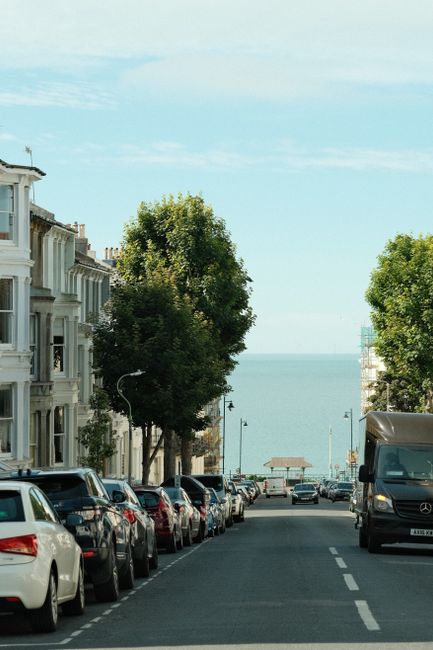
Leamouth Peninsula Moving Guide: Streets, Parking & Access
Moving to or from Leamouth Peninsula can feel straightforward on a map and then suddenly a bit fiddly on the day. Narrow turns, riverside developments, loading space that disappears quickly, and the usual London timing pressure can all make a simple house move feel more like a puzzle than a checklist. This Leamouth Peninsula Moving Guide: Streets, Parking & Access is here to make that puzzle easier to solve.
Whether you are moving into one of the newer apartment blocks, relocating a flat near the water, or planning a larger household move across the area, the practical details matter. Which streets are easiest for access? Where can a van stop without causing trouble? What should you check before the moving team arrives? Let's take it step by step, with the real-world details people usually wish they had earlier.
Table of Contents
- Why Leamouth Peninsula Moving Guide: Streets, Parking & Access Matters
- How Leamouth Peninsula Moving Guide: Streets, Parking & Access Works
- Key Benefits and Practical Advantages
- Who This Is For and When It Makes Sense
- Step-by-Step Guidance
- Expert Tips for Better Results
- Common Mistakes to Avoid
- Tools, Resources and Recommendations
- Law, Compliance, Standards, or Best Practice
- Options, Methods, or Comparison Table
- Case Study or Real-World Example
- Practical Checklist
- Conclusion
- Frequently Asked Questions
Why Leamouth Peninsula Moving Guide: Streets, Parking & Access Matters
Leamouth Peninsula has a very specific moving rhythm. It is not a sleepy suburban street where a van can pull up, park for a while, and nobody blinks. It is a dense, modern part of East London with residential towers, riverside roads, estate entrances, and shared spaces that can be tight at the best of times.
That matters because a move is never just about lifting boxes. It is about getting a vehicle close enough, making sure there is legal stopping space, and avoiding delays that turn one moving day into a very long one. If you have ever watched a driver circle for parking while your sofa sits in the hallway, you will know the feeling. Not ideal. Not at all.
This guide focuses on the practical side of moving in Leamouth Peninsula: how streets tend to work, where access can be awkward, what kind of parking planning helps, and how to reduce stress before anyone starts carrying anything. For many people, the difference between a smooth move and a chaotic one is simply preparation.
It also helps you make better decisions about the type of removal support you need. A smaller flat move may suit a compact vehicle, while a bigger home relocation might need a larger man and van setup or a more structured removal service. Thinking about access early can save time, money, and a fair bit of frustration.
How Leamouth Peninsula Moving Guide: Streets, Parking & Access Works
At its core, moving in Leamouth Peninsula is about matching three things: the property layout, the road access, and the vehicle plan. If all three line up, the day usually runs smoothly. If one of them is off, everything feels slower.
Here is the basic flow most moves follow:
- Check the address access. Look at the route to the building, the nearest stopping point, and whether there are gates, security barriers, or one-way sections.
- Confirm parking expectations. Some streets allow more flexibility than others, but in London you should never assume you can just leave a van outside for as long as you want.
- Match the vehicle to the site. A larger removal truck is useful for volume, but in tighter access areas a smaller vehicle may be the smarter choice.
- Plan the carry distance. A short walk from van to door feels minor on paper and exhausting on the day if it is repeated fifty times.
- Build in timing slack. Traffic, lift delays, and building access checks all eat into the clock, sometimes in a way that feels a bit rude.
Leamouth Peninsula often includes apartment buildings with managed entry points, shared forecourts, and nearby roads that may be busier at peak times. So, your move plan should not just be "arrive at 9am." It should be "arrive at 9am, with a clear loading plan, someone on hand to coordinate entry, and enough room to work without blocking neighbours."
That is the real trick. Not complicated, just specific.
Key Benefits and Practical Advantages
Planning around streets, parking, and access might sound like a small detail, but in practice it has a big effect on the whole move. A bit of local awareness can make the day calmer, safer, and less expensive.
- Less wasted time: The crew spends more time moving items and less time hunting for a legal stop.
- Lower stress: Everyone knows where to go, where to park, and what to do when they arrive.
- Better protection for belongings: Fewer long carries usually mean fewer chances for bumping walls, stair rails, or door frames.
- Improved neighbour relations: Thoughtful parking and loading reduces complaints. Always a good thing.
- More accurate quotes: When access is clear, estimates are usually more realistic.
There is also a commercial benefit if you are moving a business, studio, or shared workspace. For local companies, good access planning helps keep downtime lower and makes the move feel organised rather than improvised. If that sounds familiar, it may be worth looking at commercial moves or office removals where the access plan is built into the job from the start.
Expert summary: In Leamouth Peninsula, access planning is not an optional extra. It is one of the main factors that decides whether a move feels tidy or tangled.
Who This Is For and When It Makes Sense
This guide is useful for anyone moving in or around Leamouth Peninsula, but it is especially helpful in a few common situations.
- Flat movers: If you are in a tower block or apartment development, access and loading distance matter more than people expect.
- Families moving home: When there is more furniture, more boxes, and a stricter schedule, parking becomes even more important.
- Students or solo movers: A compact move still needs proper planning, especially if the vehicle cannot wait outside for long.
- Landlords and tenants: End-of-tenancy moves often need speed and good coordination with keys, lifts, and cleaning slots.
- Small businesses: For commercial spaces, access can be affected by deliveries, building rules, and staff-only entrances.
It makes sense to use this guide whenever the move involves shared roads, controlled entrances, a managed block, or any property where the van cannot simply park right by the front door. Truth be told, that is most of the peninsula.
If you are still deciding what type of help to book, services like home moves, house removals, or a smaller removal van can all suit different access scenarios. The right choice depends on volume, building layout, and how much carrying is involved.
Step-by-Step Guidance
Here is a practical way to plan a move in Leamouth Peninsula without overcomplicating it. Nothing fancy. Just a clean process that helps you stay ahead of problems.
1. Review the exact property access
Start with the building entrance, not the postcode. Ask yourself: where will the van stop, how far is the walk, and are there any locked gates or concierge points? If it is a flat, check whether there is lift access, service lift use, or time restrictions for moving.
2. Identify the best loading point
On some streets, the closest legal stopping place is not obvious. You may need to use a nearby bay, a side road, or a managed visitor spot if available. This matters more than it sounds. A few extra metres might not seem like much until you are carrying a wardrobe in drizzle at 7:30 in the morning.
3. Decide what vehicle fits the route
Not every move needs a large lorry. In tighter urban access, a smaller moving van or man with van option can sometimes be the more practical choice because it is easier to position and manoeuvre.
4. Time the move around traffic and building access
Peak times can slow down local roads, and building restrictions can reduce your available window. If you can, choose a slot that gives enough time for loading, travel, and any last-minute hiccups. A little breathing space is worth a lot.
5. Prepare the property before move day
Pack, label, and clear hallways. Make sure the route from door to van is as open as possible. In shared buildings, let neighbours or building staff know if there will be short-term loading activity. It avoids awkwardness later.
6. Keep essentials separate
Passport, keys, phone charger, tea bags, cleaning bits, and any fragile paperwork should stay with you. That one bag of essentials can save the day. Honestly, it usually does.
7. Check the plan once more before the crew arrives
Do a final walk-round. Look at the road, the bay, the entrance, the lift, and the route. Small issues become big ones when you are already on the clock. Better to spot them before the first box moves.
Expert Tips for Better Results
There are a few things experienced movers notice straight away in Leamouth Peninsula. These are the little details that tend to separate a calm job from a messy one.
- Visit the site at the same time of day as the move. A street that looks empty at 2pm may feel very different at 8am.
- Measure awkward items before moving day. Sofas, headboards, wardrobes, and bed bases are the usual troublemakers.
- Protect common areas. Use covers and care around shared hallways, lifts, and door frames.
- Keep communication simple. One person should handle the key decisions so the moving team is not getting mixed messages from four different directions.
- Think about weather. Riverfront areas can feel exposed on windy or wet days, and nobody enjoys carrying cardboard in a sudden shower.
One useful habit is to photograph the parking spot, entry point, and route before the move. It sounds overly careful until the day comes and someone asks, "Where exactly are we meant to stop?" Then the photos suddenly feel genius. Slightly boring genius, but still.
If you need packing support as well as transport, a service such as packing and unpacking services can reduce pressure, especially for larger homes or time-sensitive moves. That can make a bigger difference than people expect.
Common Mistakes to Avoid
Most moving problems in this area come from predictable mistakes. The good news is they are avoidable once you know what to watch for.
- Assuming parking will be easy: It may not be, especially near busy residential developments or tighter side roads.
- Ignoring carry distance: A legal parking spot that is far away can still create a difficult move.
- Forgetting lift rules: Some buildings restrict moving times or require lift booking. Miss that and you can lose the slot.
- Booking the wrong vehicle size: Too big can be awkward; too small can mean extra trips. Neither is ideal.
- Not checking access for bulky furniture: Big items need wider turns, clear stairs, and sometimes more than one person to handle safely.
- Leaving bins, bikes, or prams in the way: Shared entrances can get cluttered fast. A clear route helps everyone.
There is also a habit of underestimating how long "just the loading" takes. In reality, the loading phase is where delays sneak in. Someone's keys are missing, a neighbour parks awkwardly, the lift is busy, the mattress needs rewrapping. That sort of thing. It adds up.
To avoid the usual headache, choose a service that is used to local conditions, whether that is a straightforward man with a van booking or a fuller house movers arrangement for more complex access.
Tools, Resources and Recommendations
You do not need a huge stack of tools to move well, but you do need the right basics. A practical move is usually a quiet one. No drama, no scrambling, no last-minute tape hunt.
Useful items for a smoother move
- Strong boxes in mixed sizes
- Permanent marker for room labels
- Furniture covers or blankets
- Stretch wrap for drawers and soft furnishings
- Door protectors or floor runners where appropriate
- Trolley or sack truck for heavier items
- Bright tape for fragile or priority boxes
Useful planning resources on this site
If you are comparing support levels, it helps to read through removals, removal company, and removal companies pages to understand the style of service you need. For smaller or more flexible moves, man and van removals or removals near me can be a useful starting point when you want something local and simple.
If your move includes furniture pick-up, a separate furniture pick up can also be worth considering, particularly if you are clearing old items before moving day. Less clutter in the property usually means a cleaner handover. And less rushing. Which, let's face it, everyone appreciates.
Law, Compliance, Standards, or Best Practice
For a local move in London, the key compliance point is usually not a complex legal issue; it is practical responsibility. You should make sure any parking or stopping arrangement is legal, safe, and respectful of the local area. If parking restrictions apply, you need to follow them. If the building has move-in rules, you need to follow those too.
Good practice also includes safe lifting, suitable vehicle loading, and care around shared access spaces. In the UK, moving work is generally expected to follow sensible manual-handling practices and a reasonable duty of care for people, property, and surroundings. In plain English, that means avoid rushed lifting, protect common areas where possible, and do not force items through spaces they do not fit.
If you are using a removals provider, it is sensible to check practical assurances such as insurance and safety, plus the company's health and safety policy. These pages help you understand what standards are being followed and what to expect if something unexpected happens. It is not about being pessimistic. It is about being prepared.
You may also want to review the terms and conditions and payment and security information before you book. A good move should feel clear from the start, not full of hidden surprises later.
Options, Methods, or Comparison Table
Different moves call for different approaches. The best option depends on how much you are moving, how easy the access is, and how much help you want on the day.
| Option | Best for | Access advantage | Watch out for |
|---|---|---|---|
| Man and van | Small to medium moves, tight schedules | Flexible and easier to position in busy streets | May need multiple trips for larger loads |
| Removal van | Flats, partial moves, furniture transport | Good balance of size and manoeuvrability | Check whether load volume fits in one run |
| Moving van | Urban moves with tighter access | Easier for narrow approaches and short stops | Less capacity than larger vehicles |
| Full removal service | Whole-home moves, heavy furniture, time-sensitive jobs | Better coordination for complex access and carrying | Usually needs more planning and clear instructions |
For most Leamouth Peninsula moves, the smartest answer is not the biggest vehicle. It is the vehicle that fits the road, the building, and the actual job. More capacity is not always better if the street layout makes stopping awkward.
If you are uncertain, a discussion with a local team such as movers can help you balance cost, access, and timing without overbuying services you do not need.
Case Study or Real-World Example
Here is a realistic example. A couple moving from a one-bedroom flat in a Leamouth Peninsula block had a fairly standard load: bed, sofa, dining table, boxes, and a few awkward plants that always seem to become the biggest issue on the day. They assumed the van could wait directly outside the entrance. It could not. The nearest sensible stop was a little further along the road, and the building's access point required a quick check-in at reception.
Because they had reviewed the access in advance, they knew to keep the lift free, book a morning slot, and have the keys in one place. They also split items into "carry first" and "carry last," which sounds small, but it really helped. The result was a move that felt orderly rather than rushed. Not perfect - there was a brief moment of panic over a missing phone charger, naturally - but manageable.
What made it work was not luck. It was the fact that parking and access were treated as part of the move, not an afterthought. If they had arrived with a bigger vehicle and no parking plan, they would probably have spent the first half hour just trying to get set up.
That is the lesson for most local moves here: good preparation is often worth more than brute force.
Practical Checklist
Use this checklist before moving day. It keeps the essential bits in one place and cuts down the "oh no, we forgot that" moment.
- Confirm the exact moving address and entrance point
- Check whether the building has move-in or lift booking rules
- Identify the nearest legal parking or loading space
- Ask whether any permits, notices, or permissions are needed
- Measure bulky furniture against doors, lifts, and stair turns
- Choose the right vehicle size for the route and load
- Set aside parking space, keys, and access instructions
- Tell the moving team about any stairs, narrow corridors, or barriers
- Pack an essentials bag for the first day in the new place
- Keep valuables and important documents with you
- Protect floors, walls, and shared common areas where appropriate
- Have a contact number ready in case access changes on the day
If you tick off most of these points, you are already ahead of the average moving-day scramble. Honestly, that alone can make the whole experience feel calmer.
Conclusion
Leamouth Peninsula moving is all about preparation that matches the reality of the streets, parking, and building access. Once you understand the route, the loading point, and the kind of vehicle that actually fits the job, the whole move becomes easier to manage.
That is the main idea here. Not to overthink it. Just to plan the practical parts properly so the physical move can run smoothly. A little local awareness goes a long way, especially in a part of London where access can change from one building to the next.
If you are ready to move, take one final look at the parking plan, check the building access, and choose the service level that suits the property rather than forcing the property to suit the service. That small shift in thinking usually makes the difference.
Get a free quote today and see how much you can save.
Frequently Asked Questions
Is Leamouth Peninsula difficult for removals and moving vans?
It can be, mainly because access is not always as simple as a direct stop outside the door. Apartment blocks, shared roads, and loading limits can all affect the move. The good news is that with a clear plan, most jobs are very manageable.
Do I need to arrange parking before moving day?
In many cases, yes, or at least confirm what the parking situation will be. Even if no formal permit is needed, you should know where the vehicle can stop legally and how long it can stay there.
What kind of vehicle is best for a Leamouth Peninsula move?
That depends on the size of the move and the access. A smaller van can be a better fit where space is tight, while a larger removal vehicle makes sense for bigger loads if the road access supports it.
How far in advance should I plan access and parking?
Ideally, as soon as your moving date is confirmed. The earlier you check building rules, parking options, and route access, the less likely you are to get caught out by a last-minute issue.
Are lifts usually available for moves in apartment buildings?
Sometimes, but not always on unrestricted terms. Some buildings require advance booking or specific move times. It is best to check with building management or concierge staff before the day arrives.
What if the van cannot park right outside the property?
Then you should plan for a longer carry distance and allow extra time. A nearby legal loading space may still work well if the route is clear and the crew knows what to expect.
Can a man and van service work for Leamouth Peninsula?
Yes, often very well. For smaller or medium-sized moves, a flexible service like a man and van can be easier to position in tighter streets and can suit local access conditions better than a larger truck.
What should I tell the movers before they arrive?
Give them the full address, the best access point, parking notes, floor level, lift information, and any restrictions. If there are tricky items such as large sofas or wardrobes, mention those too.
How do I avoid delays on moving day?
Prepare the route, keep essentials separate, make sure the vehicle can access the area, and avoid leaving key decisions until the crew is already there. Small delays are normal, but planning reduces the bigger ones.
Is it worth using packing services for a local move?
Often yes, especially if you have a lot of items, fragile belongings, or a tight timeline. Packing support can save time and reduce stress, which is handy when access itself already needs coordination.
What should I check about safety and insurance?
Look for clear information on how items are handled, what happens if something is damaged, and whether the provider has appropriate insurance and safety practices. That is just good sense, really.
Can I move on a weekend in Leamouth Peninsula?
Sometimes, but weekend traffic, building rules, and parking pressure can still affect the move. If you have flexibility, compare options carefully and check any site-specific restrictions before choosing the day.
Moving in Leamouth Peninsula does not have to be stressful. With a sensible parking plan, a realistic view of access, and the right support, it can be one of those jobs that feels busy but under control. That is the sweet spot, and it is absolutely achievable.